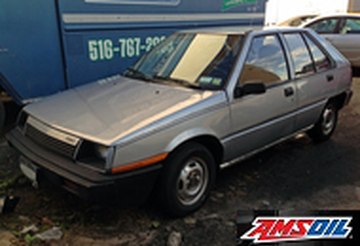
Engine Oil Maintenance for your 1983 Dodge COLT 1.6L
Maintaining the engine of a vintage vehicle requires consistent attention to fluid levels and cleanliness. For the 1983 Dodge COLT with the 1.6L engine, regular oil changes are a fundamental part of preserving mechanical integrity and ensuring the engine operates as intended by the manufacturer.
How often should I change the oil in my 1983 Dodge COLT 1.6L?
To determine the correct interval for an oil change, you should follow the owner's manual or the manufacturer maintenance schedule. Do not rely on estimated mileage or timeframes, as the specific requirements provided by the manufacturer are the only authoritative source for your vehicle's service needs.
Understanding Engine Oil Functionality
Engine oil serves several critical roles within a 1.6L engine. Primarily, it provides a thin film of lubrication between moving metal components, such as pistons and cylinder walls, to reduce friction and prevent premature wear. Beyond lubrication, the oil helps to carry heat away from high-temperature areas of the engine block and internal components, assisting the cooling system in maintaining stable operating temperatures.
Additionally, oil acts as a cleaning agent by suspending microscopic contaminants, such as soot or combustion byproducts, and carrying them toward the oil filter. If the oil is not changed according to the manufacturer's schedule, these contaminants can accumulate, potentially leading to sludge formation or increased internal friction.
Monitoring Oil Levels and Condition
Regularly checking the engine oil level is a vital maintenance habit. Using the dipstick provided in the engine bay allows you to verify that the fluid level remains within the safe operating range. A low oil level can lead to insufficient lubrication, while an excessively high level may cause aeration or pressure issues.
When inspecting the oil on the dipstick, pay attention to its physical appearance. While some discoloration is normal due to the accumulation of particulates, extremely dark or thick oil may indicate that the service interval has been exceeded. Furthermore, if you notice a milky appearance, this could suggest that coolant has entered the lubrication system, which requires immediate professional inspection.
The Role of the Oil Filter
Every time the engine oil is replaced, the oil filter should also be addressed. The filter is designed to trap debris and contaminants before they can recirculate through the engine. Over time, a filter can become saturated with particles, which reduces its ability to clean the oil effectively.
Replacing the filter during an oil service ensures that the new oil begins its service life in a clean environment. Maintaining a clean filtration system is just as important as the quality of the oil itself, as even fresh oil can quickly become contaminated if the filter is unable to perform its primary function.
Managing Oil Leaks and External Contamination
On older vehicles, it is common to monitor for signs of external oil leaks. Check the area around the engine block, valve covers, and oil pan for any signs of weeping or active drips. Small leaks can lead to a gradual loss of oil volume, which may go unnoticed until the level becomes dangerously low.
External cleanliness also matters. If the engine exterior is covered in old oil and road grime, it can be difficult to identify new leaks or assess the condition of gaskets and seals. Keeping the engine area relatively clean can assist in early detection of potential mechanical issues related to the lubrication system.
General Engine Maintenance Considerations
While oil changes are a priority, they are part of a broader maintenance ecosystem. For a 1983 Dodge COLT, keeping an eye on other fluid levels—such as coolant and brake fluid—is essential for overall vehicle safety and longevity. Ensuring that all belts and hoses are in good condition also helps prevent secondary issues that could impact engine performance or temperature regulation.
Consistent record-keeping regarding when you performed oil changes and filter replacements can help you stay aligned with the manufacturer's maintenance schedule. This documentation is useful for tracking the service history of the vehicle over time.
BUYING ENGINE OIL
When it is time to purchase new oil, ensure you are selecting a product that meets the requirements specified in your owner's manual. For this specific 1983 Dodge COLT 1.6L application, 10W-30 is a listed viscosity. Always verify that any oil or filter you purchase is appropriate for your vehicle's specific needs by consulting your documentation before completing your purchase.